10 Meaningful Gifts We Owe to the Natural World
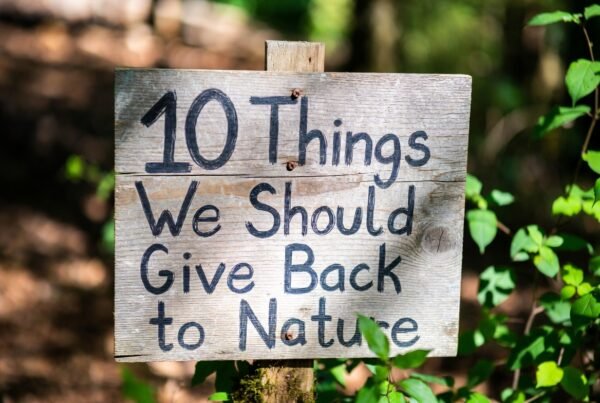
Nature has been our greatest provider—offering clean air, fertile soil, fresh water, and awe-inspiring landscapes without ever sending a bill. But as cities expand, industries accelerate, and consumption rises, humanity has taken more than we return. Climate change, habitat loss, pollution, and species extinction are not isolated problems—they’re symptoms of an imbalanced relationship.
Restoring harmony begins with giving back what we’ve taken.
Here are 10 meaningful things we owe nature—for our future, and for the planet that sustains us.
1. Space to Breathe
Urbanization and deforestation have carved deeply into wildlife habitats, leaving species with shrinking territories and fragmented ecosystems.
How we give it back:
-
Preserve forests, wetlands, and natural landscapes
-
Create wildlife corridors to reconnect habitats
-
Reduce urban sprawl and protect green spaces
-
Support rewilding projects that allow nature to reclaim land
Space isn’t empty—it’s the foundation of ecological balance.
2. Clean Water
Waterways have become disposal sites for plastics, chemicals, and agricultural runoff. Healthy rivers and oceans are essential for life on Earth.
How to restore water purity:
-
Reduce plastic use and manage waste responsibly
-
Limit chemical fertilizers and pesticides
-
Protect and restore wetlands, nature’s natural water filters
-
Support stricter regulations for industrial pollution
Clean water is not a luxury; it is life itself.
3. Healthy Soil
Beneath our feet lies one of the planet’s most important resources—soil, alive with organisms that support plants, trees, and food systems.
Ways to rebuild soil health:
-
Compost organic waste to return nutrients to the earth
-
Practice regenerative and no-till farming
-
Use fewer chemical fertilizers and pesticides
-
Plant cover crops to prevent erosion
Healthy soil is the cradle of civilizations; without it, we cannot endure.
4. Biodiversity
Human activities threaten millions of species with extinction. Biodiversity is not just beautiful—it is ecological security.
How we nurture it:
-
Support conservation and anti-poaching efforts
-
Protect endangered species
-
Plant native vegetation
-
Restore damaged habitats
Every species lost weakens the web of life that also sustains us.
5. Trees—Lots of Them
Trees regulate climate, clean the air, anchor soil, and house wildlife. Yet billions have been cleared in the last century.
Giving trees back means:
-
Planting trees locally
-
Supporting national and global afforestation efforts
-
Protecting old-growth forests
-
Choosing sustainable wood and paper products
A single tree is a gift. A forest is a lifeline.
6. Silence and Stillness
Noise pollution alters behaviors of birds, whales, and countless other species. Even forests are no longer quiet.
How we return peace:
-
Reduce unnecessary machinery and vehicle noise
-
Support quiet zones in natural areas
-
Limit recreational drone use in wildlife habitats
-
Design cities with noise reduction in mind
Stillness is a habitat condition, as critical as food or shelter.
7. Respect for Natural Cycles
Nature moves in rhythms—seasons, tides, reproduction, migration. Our modern lifestyles disrupt these cycles through overconsumption, light pollution, and constant interference.
How to restore balance:
-
Eat seasonally and locally
-
Conserve energy and water
-
Reduce nighttime lighting
-
Respect wildlife breeding and nesting seasons
The more we live in harmony with nature’s cycles, the more resilient the world becomes.
8. Cleaner Air
Air pollution harms ecosystems, accelerates climate change, and threatens human health.
Ways to clean the air:
-
Transition to renewable energy
-
Use public transportation, bike, or walk when possible
-
Reduce burning of waste
-
Protect carbon-absorbing ecosystems like peatlands, mangroves, and forests
When the air heals, everything else has a chance to heal with it.
9. Reduced Waste
Landfills overflow, oceans choke on plastic, and microplastics contaminate soil and water.
How to reduce our footprint:
-
Avoid single-use plastics
-
Reuse and repair items instead of replacing
-
Support circular economy products
-
Compost organic waste
Less waste means less pressure on every ecosystem.
10. Gratitude, Stewardship & Awe
Beyond physical restoration, nature needs our care—and our mindset. When we see Earth not as a resource to exploit, but as a partner, compassion becomes instinct.
How to cultivate stewardship:
-
Spend time outdoors
-
Teach children about ecology
-
Advocate for pro-environment policies
-
Volunteer for conservation efforts
-
Celebrate nature’s beauty, not just its utility
What we love, we protect. What we appreciate, we defend.
Giving Back Is Not Optional—It Is Essential
Nature doesn’t need sentimental gifts; it needs responsibility.
It needs us to return the space, balance, and respect we’ve taken.
When we give back clean water, cleaner air, biodiversity, healthy soil, and time to heal, nature responds with resilience.
The Earth has cared for us for millennia.
Now it is our turn to care for it—with urgency, humility, and hope.