Birds World: A Fascinating Journey into the Realm of Feathers
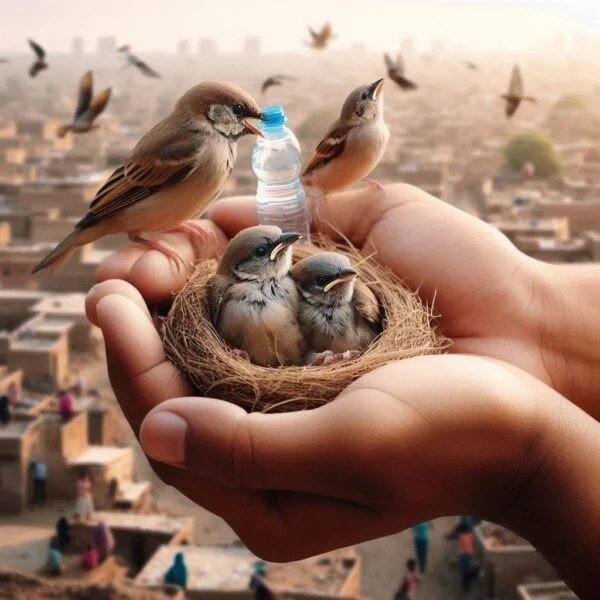
Birds are among the most diverse, captivating, and ecologically significant creatures on Earth. With over 10,000–11,000 species found across every continent—from frozen polar regions to tropical rainforests and even dense urban centers—they represent one of the most successful branches of life on the planet. Exploring Birds World offers insight into their beauty, adaptations, intelligence, and the vital roles they play in sustaining ecosystems.
1. Diversity and Extraordinary Adaptations
Birds display an astonishing variety of shapes, sizes, colors, and behaviors.
They range from:
-
The tiny bee hummingbird (5.5 cm), the smallest bird on Earth
-
To the towering ostrich (up to 2.8 m), the largest living bird
Their extraordinary adaptations include:
Feathers: Evolution’s Masterpiece
Feathers—composed of keratin—are unique to birds and serve multiple purposes. They provide:
-
Aerodynamics for flight
-
Insulation against cold or heat
-
Camouflage
-
Display signals for mating or territorial defense
Microscopic feather structures create colors, iridescence, and patterns seen in species like peacocks and hummingbirds.
Wings and Flight
Bird wings evolved from the modified forelimbs of dinosaurs. While many birds are masters of the skies, some have adapted wings for other purposes:
-
Penguins use wings as flippers to “fly” underwater
-
Ostriches and emus rely on powerful legs instead of flight
Their lightweight skeletons, hollow bones, and powerful flight muscles make birds true aeronautic marvels.
Beaks and Diets
Beaks reveal a lot about a bird’s lifestyle:
-
Raptors have hooked beaks for tearing flesh
-
Nectar feeders have long, slender bills
-
Seed-eaters possess robust, conical beaks
Each beak shape reflects millions of years of evolutionary fine-tuning.
2. Migration: The Greatest Journeys on Earth
Migration remains one of the most astonishing natural phenomena.
Many birds travel thousands of kilometers every year:
-
Arctic terns travel up to 90,000 km round-trip between the poles
-
Bar-tailed godwits fly ~11,000 km nonstop from Alaska to New Zealand
-
Swifts spend most of their life in the air, eating and even sleeping while flying
Birds navigate using:
-
Earth’s magnetic field
-
Position of the sun and stars
-
Landscape features
-
Even scent cues
Their endurance and precision remain unmatched in the animal kingdom.
3. Bird Behavior and Intelligence
Communication
Birds communicate through:
-
Songs
-
Calls
-
Displays
-
Plumage patterns
Songs can announce territory, attract mates, or signal threats. Some species, like the superb lyrebird, mimic nearly any sound—including cameras and chainsaws.
Cognitive Abilities
Scientific research now recognizes many birds as highly intelligent:
-
Crows and ravens use tools, plan ahead, and solve complex puzzles
-
Parrots understand concepts like numbers and categories
-
Clark’s nutcracker can remember over 30,000 seed burial locations
-
Pigeons recognize themselves in mirrors and distinguish artistic styles
Bird intelligence is often comparable to primates.
4. The Ecological Importance of Birds
Birds are essential for environmental balance and human well-being.
Pollination
Hummingbirds, honeyeaters, and sunbirds pollinate countless plant species.
Seed Dispersal
Fruit-eating birds distribute seeds across vast areas, helping forests regenerate.
Pest Control
Swallows, owls, and many songbirds consume enormous numbers of insects, reducing the need for pesticides.
Scavenging
Vultures and other scavengers clean up carcasses, preventing the spread of disease.
Bioindicators
Bird populations reflect ecosystem health. Declines often signal broader environmental problems.
5. Birds and Humans: A Deep Connection
Birds have influenced human culture for millennia:
-
Eagles symbolize courage and power
-
Doves represent peace
-
Owls embody wisdom
-
Cranes symbolize longevity and harmony
Birdwatching is one of the world’s fastest-growing hobbies, promoting conservation awareness and connecting humans with nature.
6. Threats to Birds World
Despite their adaptability, birds face growing challenges—mostly driven by human actions.
Habitat Loss
Deforestation, agriculture, and urban sprawl destroy nesting and feeding sites.
Climate Change
Shifts in temperature and weather disrupt food availability, breeding seasons, and migration patterns.
Pollution
-
Plastic ingestion affects nearly all seabird species
-
Pesticides poison insectivores
-
Oil spills devastate coastal birds
Collisions
Birds frequently collide with windows, towers, power lines, and vehicles.
Invasive Species
Cats, rats, and snakes are responsible for countless bird deaths, especially on islands.
Illegal Wildlife Trade
Many species—especially parrots—are captured for the pet trade.
Over 1,400 species are currently threatened with extinction.
7. Conservation: Protecting the Future of Birds
Worldwide efforts aim to preserve birds and their habitats.
Protected Areas
National parks, bird sanctuaries, and marine reserves protect critical breeding and feeding grounds.
Habitat Restoration
Reforestation, wetland reconstruction, and prairie restoration help ecosystems recover.
Legal Protections
International agreements regulate hunting, trade, and habitat destruction.
Citizen Science
Projects like eBird, Christmas Bird Count, and nest-monitoring programs involve the public in tracking bird populations.
Simple Actions Everyone Can Take
-
Plant native trees and flowers
-
Provide clean water and safe nesting spaces
-
Keep cats indoors
-
Turn off unnecessary lights during migration seasons
-
Reduce plastic use
The Wonder and Responsibility of Birds World
Birds embody the very essence of nature’s creativity—masters of flight, artists of song, symbols of freedom, and essential pillars of ecological balance. From tiny hummingbirds to mighty eagles, they enrich our lives and sustain the health of the planet.
Yet their world is increasingly fragile.
Protecting Birds World means protecting Earth itself—its biodiversity, its ecosystems, and its future.
The next time you hear a bird’s song or see one soaring overhead, remember: Birds connect the planet. And with care, we can ensure they remain part of our world for generations to come.