Vertical Tower Pots for plants: Garden Tower, Vegetable Tower, Roof Garden Planter
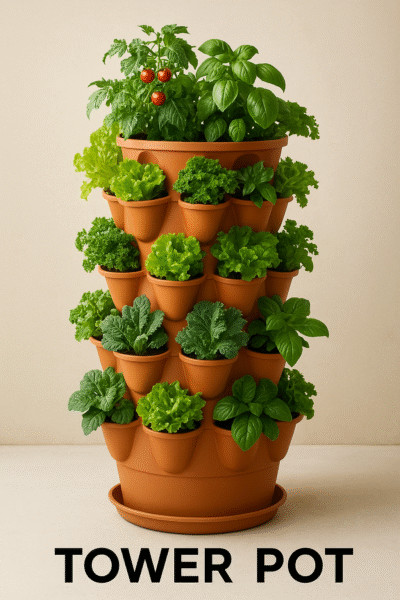
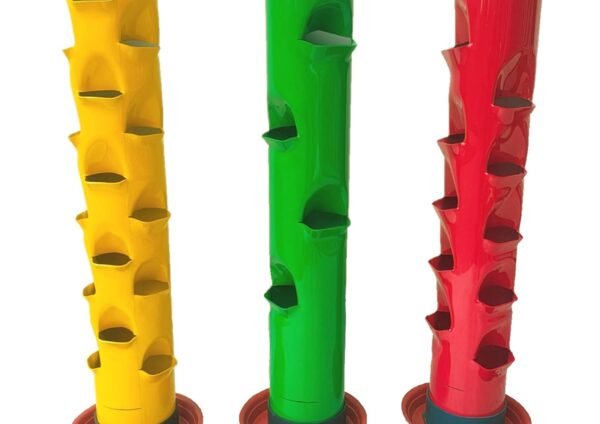
Vertical tower pots—commonly called Garden Towers, Vegetable Towers, or Roof Garden Planters—are advanced vertical gardening systems designed for modern, space-efficient growing of plants, herbs, and vegetables.
Types of Vertical Tower Pots
-
Hydroponic Towers: Use nutrient-rich water instead of soil and provide higher yields in less time, ideal for leafy vegetables and herbs.
-
Aeroponic Towers: Suspend plant roots in air and mist them with nutrient solutions, promoting robust growth and minimizing water use.
-
Soil-Based Composting Towers: Integrate soil-based growing and composting, such as the Garden Tower® 2, which allows vermicomposting and easy rotation for sunlight exposure.
Features
-
Multiple planting pockets stacked vertically, maximizing the number of plants per square foot.
-
Durable, weatherproof materials suitable for outdoor terraces, rooftops, balconies, and even indoor gardens.
-
Easy access for watering and maintenance, often with built-in irrigation or modular stackable design.
-
Some towers have 360° rotation for uniform light exposure or wall-mounting options for extremely compact spaces.
Benefits
-
Space Efficiency: Grow dozens of plants in a small footprint, perfect for urban and apartment gardening.
-
Water Savings: Most systems use 80–95% less water than traditional pots or beds.
-
Higher Crop Yield: Optimized nutrition and environment lead to more frequent and abundant harvests.
-
Less Pest Pressure: Vertical gardens are less susceptible to pests and fungal infections due to better air circulation.
-
Better Plant Health: Increased exposure to sunlight and air, improved drainage, and fewer root disease issues.
-
Accessibility: Plants are elevated to a convenient height, reducing bending and making gardening easier.
-
Versatility: Suitable for growing herbs, leafy greens, flowers, strawberries, and even small root vegetables.
Applications
-
Home gardens, terraces, balconies, rooftops, and small urban spaces.
-
Commercial tower farms for high-density crop production.
-
Decorative living walls for improved aesthetics, air quality, and thermal insulation.
Vertical tower pots represent a cutting-edge approach to maximizing gardening potential in limited or unconventional spaces, supporting sustainability and fresh food production year-round.
Vertical Tower Pots for Plants
1. Garden Tower
A garden tower is a vertical, multi-level planter designed to grow many plants in a small footprint.
Features:
-
Multiple stacked tiers with planting pockets
-
Ideal for herbs, leafy greens, flowers
-
Often rotates for easy access
-
Some models include composting tubes to recycle kitchen scraps
Best for: Balconies, patios, small gardens, and permaculture-style growing.
2. Vegetable Tower
A vegetable tower is similar to a garden tower but specifically optimized for vegetables.
Features:
-
Deeper planting pockets for root crops (carrots, radishes)
-
Stronger structures to support heavier fruiting plants (tomatoes, peppers, cucumbers)
-
Efficient vertical watering systems
Best for: People wanting to grow salad greens, tomatoes, beans, and more in limited space.
3. Roof Garden Planter (Vertical or Standalone)
A roof garden planter is a container designed to be lightweight, durable, and rooftop-friendly.
Sometimes they come in vertical tower formats, but can also be long boxes or modular systems.
Features:
-
Lightweight materials (HDPE, recycled plastic, fabric)
-
Good drainage to protect rooftop surfaces
-
UV and weather resistant
-
Can be tower-style or modular
Best for: Rooftops, terraces, and urban gardens.
Why Use Vertical Tower Pots?
-
Save space
-
Grow more plants per square foot
-
Reduce pests and soil issues
-
Easier harvesting
-
Great for hydroponic or soil-based growing